A rehab program gives people a safe and supportive place to work on problems with alcohol or drugs. Treatment can include medical care, counseling, group support, healthy routines, and planning for life after rehab. Each person may need a different type of care. A good program helps people understand their habits, learn better ways to handle stress, and build skills that can support long-term recovery.
What Is a Rehab Program?
A rehab program is a form of treatment for people who want help with substance use. Some programs allow people to stay at a treatment center, while others let people live at home and visit for care. Treatment is designed to support safer and healthier choices. Rehab may include medical support, therapy, education, and help from trained staff.
- Health support from trained professionals
- Individual counseling and group support
- Simple daily plans that support recovery
- Aftercare planning for continued recovery
Different Types of Rehab Programs
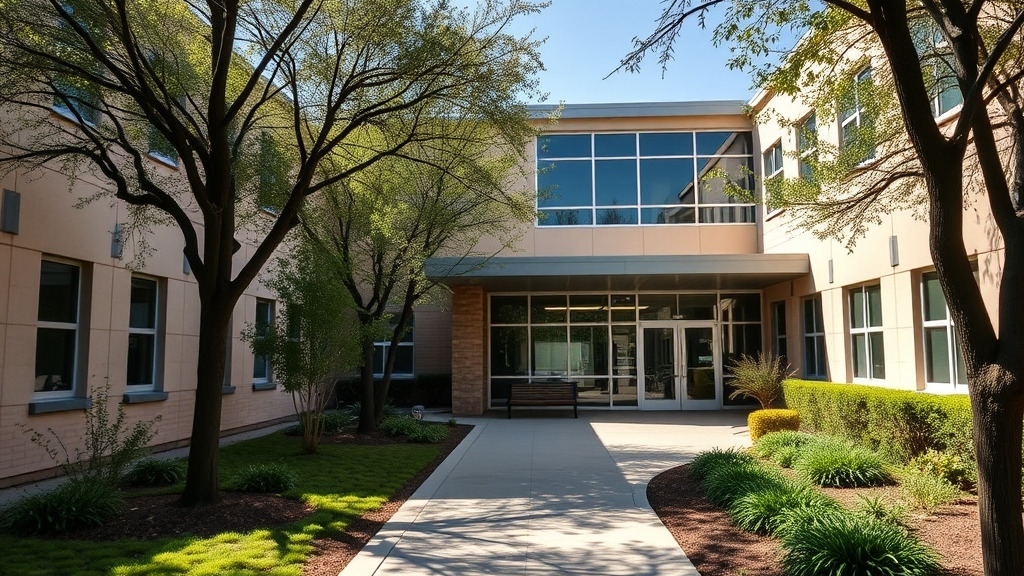
There is no single rehab program that works for everyone. Different programs provide different levels of support. A doctor, counselor, or treatment professional can help explain which type of care may be a good fit.
- Inpatient rehab where a person lives at the treatment center
- Programs that provide treatment while the person continues living at home
- Detox programs that help manage withdrawal safely
- Programs focused on alcohol or specific drugs
What Happens During Rehab?
Rehab often starts with an assessment. Staff ask questions about substance use, health, medications, family support, and other needs. This helps the treatment team build a plan. The plan may change as the person makes progress.
Many programs use counseling to help people understand why they use alcohol or drugs. Therapy can also teach ways to manage stress, cravings, anger, sadness, and difficult situations. Group sessions give people a chance to learn from others who are also working toward recovery.
Common Parts of Treatment
- Health and medical assessments
- One-on-one meetings with a counselor
- Group counseling and support meetings
- Education about addiction and recovery
- Building a plan for life after leaving the program
Detox and Medical Support
Some people need detox before starting regular rehab activities. Detox is the process of allowing alcohol or drugs to leave the body. Withdrawal can be uncomfortable and may sometimes be dangerous. A trained medical team can provide support during withdrawal. Not every person needs medical detox, so an assessment is important.
Medical care during rehab may also include help with sleep, nutrition, pain, mental health concerns, or medications used as part of treatment. The exact care depends on the person's health and substance use history.
Paying for a Rehab Program
The cost of rehab can vary based on the type of program, location, length of treatment, services offered, and insurance coverage. Some insurance plans may pay for part of treatment. It is helpful to check coverage before admission whenever possible.
- Check the health plan for rehab coverage
- Ask whether the treatment center accepts the insurance
- Ask about deductibles, co-pays, and other costs
- Ask about self-pay or reduced-cost treatment choices
Starting a Rehab Program
Starting rehab usually begins with a phone call or online request. An admissions worker may ask basic questions about the person, the substances being used, insurance, health concerns, and when treatment is needed. Some programs can arrange admission quickly.
- Complete an intake assessment
- Share important medical and medication information
- Review insurance or payment details
- Learn about the program schedule and rules
How Long Does Rehab Last?
Rehab programs can last for different amounts of time. Some people may attend for a few weeks, while others may need care for several months. The right length depends on the person's needs and progress. Health, substance use history, home support, progress, and insurance may all affect the amount of time a person stays in treatment.
- Shorter programs may provide a focused start and help a person begin building recovery skills.
- Longer programs may provide more time for therapy, practice, and planning.
- Ongoing care can continue after the main rehab program ends.
Choosing a Rehab Program
Choosing a rehab program is an important decision. Look for a program that can meet the person's medical, emotional, and practical needs. A good fit can make it easier to take part in treatment.
- Ask what types of treatment are offered
- Check whether medical care is offered when needed
- Ask what a normal treatment day looks like
- Ask how the program prepares people for life after rehab
Life After Rehab
Recovery does not always end when a rehab program is finished. Many people continue with counseling, support groups, medical care, sober living, or other services. Continued support can help people practice the skills they learned.
A strong aftercare plan may include healthy routines, trusted family or friends, therapy appointments, support meetings, and steps to take if cravings return. Recovery can take time, and asking for help along the way is a normal part of the process.
Finding the Right Support
A rehab program can provide structure, education, medical support, and a safer place to focus on recovery. Treatment works best when it fits the individual. Learning about the available options, checking costs and insurance, and speaking with treatment professionals can make it easier to choose the next step.
Find out more on - 30 day alcohol rehab